Skip to content

Built in real sessions. Made for real connection.

Sometimes a little play opens a much bigger door.

Opening Play was created around a simple belief: connection doesn’t always begin with a question.

No card needed.

Danielle Lloyd at her desk, laughing with a teen over a laptop in her coaching office

Why Opening Play exists

Play first. The good questions come naturally.

A little friendly competition. A surprising choice. A shared laugh. Or a moment when someone who hasn’t said much all session suddenly has something to say.

You don’t have to open with a string of questions. While you’re playing, they come up on their own. By the end of a game, you may have covered three or four real check-in questions without anyone feeling quizzed.

We believe therapists, counselors and coaches deserve more ways to create those moments. We also believe the kids, teens and young adults they support deserve chances to connect, get comfortable and explore in ways that feel natural to them.

Sound familiar?

Opening Play was made for the practitioner who has…

  • Asked “How was your week?” and received another one-word answer.
  • Looked at the clock, realized there were still 40 minutes left, and wondered how to get the conversation going.
  • Worked with a client who genuinely wants to take part but struggles to put thoughts or feelings into words.
  • Wished for something fresh that didn’t require another worksheet, another download or an hour of preparation.
  • Wanted to build rapport without making every moment feel like an interview.
  • Found themselves thinking, “There has to be another way to approach this.”

We know those moments because we’ve lived them, too. Opening Play was built for them, and for all the good moments that can come after.

How it started

It started with a game. Then something interesting happened.

Opening Play didn’t begin with a software roadmap or a list of features. It began in real coaching sessions with real kids, teens and young adults. Sometimes the conversation flowed easily. Other times, it didn’t. When we introduced a game, though, something often shifted.

A practitioner showing a teen a game on a tablet as she leans in, smiling

Moments that were fun.

A quiet client would suddenly come alive after finding a match in Piranha Pond. Someone who had barely offered an opinion would reveal a surprisingly competitive side. A client might explain an elaborate strategy, laugh at an unexpected outcome or insist on one more round.

Moments that taught us something.

We started noticing how clients approached challenges. Who liked to take risks. Who preferred to think carefully before making a move. Who adapted quickly when the rules changed. Who surprised themselves.

Moments that opened doors.

Sometimes those moments led to deeper conversations about choices, flexibility, confidence or situations outside the game. Sometimes they didn’t, and that was okay too. A shared moment of enjoyment doesn’t have to become a lesson to be valuable.

What began as a few games and creative ways to start sessions grew into a collection of tools we kept using, refining and expanding. Eventually, we realized other practitioners might be looking for those same opportunities. That’s how Opening Play was born.

Tested where it matters most

In actual sessions, with actual clients.

Opening Play games are tested in real sessions, not just to see whether the buttons work or the game looks appealing, but to understand how people actually experience them.

  • Does it hold their interest?
  • Is it easy to understand?
  • Does it leave room for choice?
  • Is it fun enough that someone wants to play again?

Sometimes a game works beautifully the first time. Sometimes the rules need adjusting, the experience needs simplifying or the activity could be more interesting. We’re not building activities to fill a library. We want to build things practitioners genuinely enjoy using and clients genuinely want to play again.

A practitioner laughing with a teen during a video session
Danielle Lloyd, founder of Opening Play

A note from our founder

Hi, I’m Danielle.

I’m Danielle Lloyd, founder of Opening Play and DNL Coaching & Creative, LLC, and the coach behind Carolina ADHD Coaching in Greenville, South Carolina. I’m a multi-certified coach who works with kids, teens and young adults on executive functioning, motivation, organization, emotional regulation and the everyday challenges that can make life feel complicated.

I also live with ADHD, OCD and anxiety myself. Those experiences have shaped how I think about learning, connection, motivation and the many different ways people process the world around them.

Opening Play didn’t come from a desire to create another ADHD-specific tool, though. It came from the sessions themselves. I wanted more ways to meet clients where they are. More chances for them to feel comfortable. More ways to help a quiet session find its rhythm without forcing a conversation that wasn’t ready to happen.

I’ve spent years designing learning experiences, but sitting across from a client has taught me something particularly important:

A thoughtfully designed activity is only part of the experience. What matters just as much is how someone feels while taking part.

I love seeing the kid who rarely speaks suddenly become the expert. The teen who discovers a strategy they didn’t expect. The client who laughs, opens up or simply enjoys being there. Those are the moments that keep inspiring Opening Play.

It’s a product I use in my own work, and one I care deeply about sharing with other practitioners. Not because I think there’s one right way to run a session, but because I know how much difference another good option can make.

Danielle Lloyd

Founder, Opening Play · DNL Coaching & Creative, LLC

A little more about why I built it

More possibilities for the moments that unfold in your sessions.

I love the games.

I love watching a quiet client light up after a perfect match in Piranha Pond, discovering someone’s unexpectedly competitive side, or sharing a laugh over something completely ridiculous. Those moments matter to me.

Screenshot

A game in play

Screenshot

A Session Enhancement in use

But I wanted more than a fun opener.

That’s where Session Enhancements come in. They’re chances to take an idea a little further, explore a different perspective or help a client express something that might be hard to put into words. Sometimes those activities lead to the biggest wow moments: a client makes a connection, sees something differently or surprises themselves with what they discover.

Then there are the Playbooks. You already bring the expertise. The Playbooks bring another perspective.

I never wanted them to feel like instructions for how to be a better therapist, counselor or coach. Think of them more like having another creative mind in the room, offering different ways to approach a game, moments you might notice, questions you could explore or ideas for adapting an activity.

You might use a suggestion exactly as written. You might put your own spin on it. You might see something completely different in the moment and go in another direction. That’s exactly how I hope they’re used.

Opening Play isn’t about replacing your expertise or turning every game into a lesson. It’s about giving you more possibilities for the moments that unfold in your sessions.

Where it all began

Carolina ADHD Coaching

Opening Play grew out of the day-to-day work of Carolina ADHD Coaching, where I support kids, teens and young adults as they strengthen executive functioning skills and navigate school, relationships, independence and everyday life.

The practice is still an important part of Opening Play’s story. It’s where new ideas are explored, activities are tested and practical improvements take shape.

While the platform grew out of an ADHD coaching practice, Opening Play isn’t limited to ADHD or executive functioning. It’s designed for therapists, counselors, coaches and other practitioners who want more ways to connect with the people they serve.

Visit Carolina ADHD Coaching
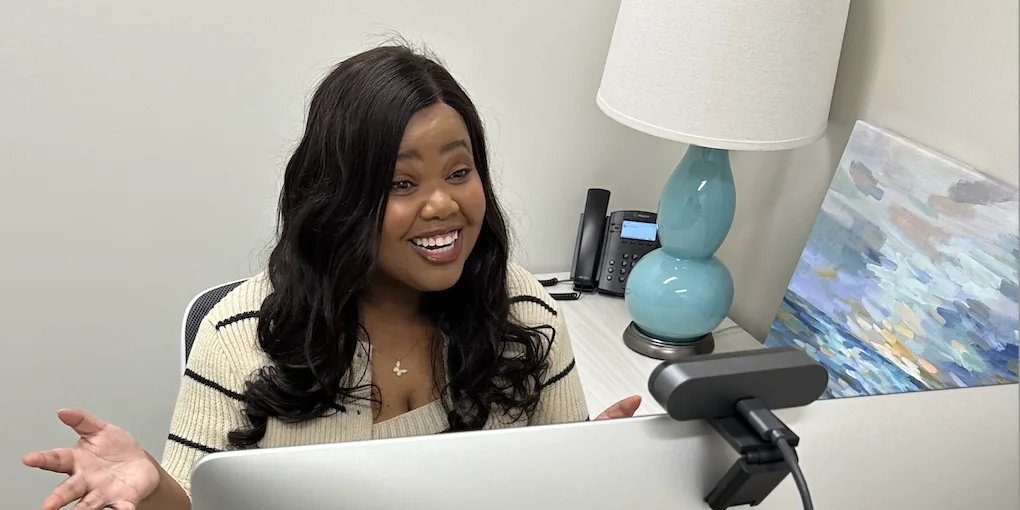
Danielle Lloyd at her desk in her Carolina ADHD Coaching office in Greenville, South Carolina, mid-conversation on a video session

What we believe

Five ideas behind everything we build.

A practitioner listening with a smile as a teen talks animatedly in a cozy office

Play is valuable.

A game doesn’t need to lead to a breakthrough to be worth playing. Enjoyment, laughter, curiosity and shared experiences matter.

Connection comes before expectations.

People engage in different ways. Some love conversation. Some prefer to do something together first. Some need more time and space.

Practitioners know their clients.

Opening Play supports your professional judgment; it doesn’t replace it. You choose the activities, make the adaptations and decide where the session goes.

Creativity makes room for possibility.

A new question, an unexpected game or a different way to explore an idea can change how someone experiences a session.

Good tools should keep getting better.

We learn from real use, listen to feedback and make thoughtful improvements, not just add more features.

Better beginnings lead to better conversations.

Some sessions begin with a question. Others begin with a game, a laugh, a challenge or a moment of curiosity. Opening Play gives you more ways to find the beginning that fits. 14 days free, no card needed.

Start your free trial